Watercolor Forest Mushroom Clipart in Modern Design
There is a quiet shift happening in visual communication. As audiences grow weary of hyper-polished, sterile stock photography, designers and content creators are increasingly turning to assets that feel personal, imperfect, and grounded. Watercolor Forest Mushroom Clipart sits perfectly at this intersection of artisan craft and practical digital utility. It offers a tactile, organic quality that immediately softens a layout and invites curiosity. Whether you are building a brand from scratch or refreshing an editorial template, these illustrated elements provide a versatile foundation for storytelling.
What Makes These Illustrations Stand Out
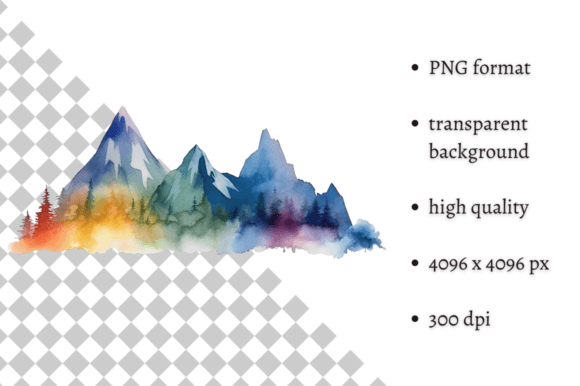
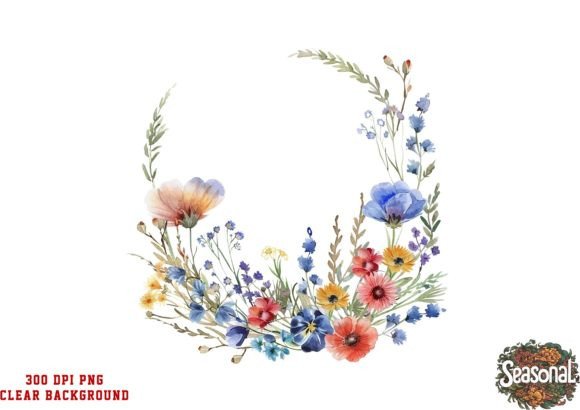
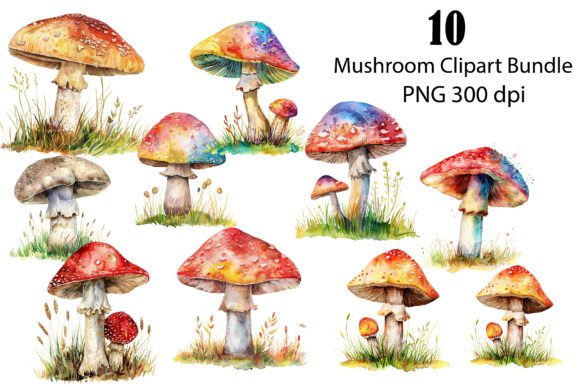
Visually, forest mushroom clipart in watercolor blends the spontaneous flow of pigment with the structured familiarity of woodland shapes. You get the earthy tones—burnt sienna, forest green, warm ochre—mixed with the soft edges characteristic of wet-on-wet techniques. This is not vector flat art. It carries texture, weight, and an artisanal personality that speaks to handmade quality.
- Organic color palette: Earth tones, muted greens, soft browns, and pops of red or orange for contrast.
- Textural depth: The watercolor medium creates natural gradients and granulation, adding richness that flat vectors cannot replicate.
- Versatile composition: Typically includes mushrooms of various sizes, ferns, moss, and subtle forest floor details that allow for scene-building.
- Emotional tone: Whimsical yet sophisticated. It appeals to both children's markets and high-end organic product branding.
Strategic Applications: From Logos to Social Media
One of the biggest challenges in modern design is maintaining consistency across different media without becoming repetitive. Watercolor Forest Mushroom Clipart acts as a modular design system. You can use a large mushroom cluster as a hero image on a landing page, a single stem as a bullet point in a blog post, or a seamless pattern on product packaging.
Brand Identity and Logo Design
While a full watercolor painting might be too complex for a primary logo, these elements are excellent for secondary marks, icons, or badges. An e-commerce brand selling organic teas or natural remedies could use a simple mushroom icon paired with a clean sans serif font to balance the organic feel with modern professionalism. The clipart becomes a memorable shorthand for the brand's connection to nature.
Packaging and Product Design
This is where texture truly shines. On matte-finish labels, watercolor elements create a premium handcrafted look. A packaging design project for small-batch candles or botanical skincare can use Watercolor Forest Mushroom Clipart to differentiate itself from mass-market competitors. The subtle overlap of colors in a mushroom illustration evokes care and intention, which directly influences how a customer perceives the product's value.
Editorial and Web Design
For editorial design, these assets act as section breaks, pull-quote backgrounds, or chapter headers. In web design, they soften the rigidity of grids and containers. Pairing a watercolor mushroom motif with a thin, modern serif font creates a compelling contrast between nature and structure. It tells the reader that the content is both trustworthy and inspired by the natural world.
Readability, Hierarchy, and the Role of Organic Shapes
A common mistake with highly textured design assets is letting them overwhelm the message. The best use of Watercolor Forest Mushroom Clipart respects visual hierarchy. Use larger, detailed illustrations as focal points, and smaller, simpler renderings as supporting accents.
- Hero Image: A full watercolor scene sets the mood and tone immediately. It pulls the viewer in before a single word is read.
- Divider/Accent: A single mushroom or fern separates sections without breaking narrative flow.
- Background Element: Watercolor washes or faint mushrooms can sit behind text, provided the contrast is sufficient. Always test readability by placing text over these backgrounds. A dark serif font over a light watercolor wash often works beautifully because the weight of the type anchors the fluid image.
- Call-to-Action (CTA): Framing a CTA button with organic elements can increase engagement by making the action feel more like a natural next step than a hard sell.
Practical Tips for Selection and Usage
Not all clipart sets are created equal. When evaluating a pack of Watercolor Forest Mushroom Clipart, look for the following qualities to ensure it meets professional standards.
- Resolution and Scale: Ensure the assets are high-resolution (300 DPI for print) and can scale for various uses. Check if they are provided in vector formats (SVG, AI) or high-quality PNGs with transparent backgrounds. A mix of both is ideal for flexibility.
- Color Harmony: A cohesive palette across all elements in the set is crucial. If the set includes greens, browns, and soft blues, verify they blend well with your brand's existing color system. Unharmonious colors will look like a mismatch in final compositions.
- Licensing Clarity: This is non-negotiable. Understand the commercial font (or in this case, asset) license. Can you use it in digital products you sell? Is there a limit on print runs? Just as a commercial font requires careful reading of the EULA, clipart licenses vary widely. A premium font or asset set usually offers broader commercial rights, but always confirm before publishing.
- Format Availability: For maximum creative control, look for sets that offer both layered source files (like PSD or AI files) and pre-rendered transparent PNGs. This allows you to recolor elements or adjust compositions if needed.
- Versatility of Subjects: A good set does not just contain mushrooms. It includes accompanying forest elements—leaves, twigs, acorns, moss patches—that allow you to build rich, complex scenes instead of repeating the same single image.
Pairing a Handcrafted Look with Modern Typography
The true magic happens when you let these two worlds complement each other. The soft, bleeding edges of watercolor naturally call for a structured counterpart. This interplay is central to effective brand identity work.
Contrast is Key. If your asset is highly textured and flowing, pair it with a clean modern typography choice, such as a geometric sans serif font or a crisp display font. This creates tension that feels curated rather than chaotic. For a children's book or a whimsical brand, consider a handwritten font that mimics the fluid strokes of the watercolor medium. Be careful, though—too much handcrafted texture (illustration plus script) can become visually muddy and hard to read.
Hierarchy by Style. Use a sturdy serif font for long-form body text to maintain maximum readability, while using a display font or script font for headers that echo the curves of the mushroom caps. This layered approach to font pairing ensures your message remains the hero, while the creative font choices and watercolor design assets provide the supporting atmosphere.
Designs that stop the scroll or hold attention on a shelf do so because they feel intentional. Watercolor Forest Mushroom Clipart is not merely a decorative add-on; it is a strategic tool for injecting personality, warmth, and authenticity into your projects. By understanding its strengths—texture, organic color, and emotional resonance—and pairing it wisely with solid design assets like a well-chosen typeface, you move beyond decoration and into genuine visual communication. Experiment with scale, test your pairings, and let the forest floor inspire your next layout.