Grandma Watercolor Sublimation Clipart
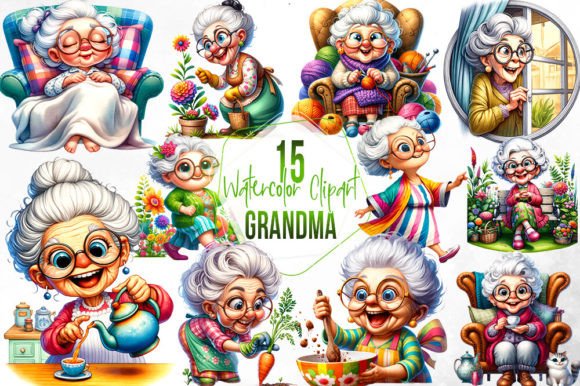
If you’ve spent any time browsing design assets for heartfelt, vintage-inspired projects, you’ve likely stumbled across something called Grandma Watercolor Sublimation Clipart. It’s one of those rare collections that feels less like a generic set of illustrations and more like a curated box of heirlooms. Each piece carries a warmth that’s hard to replicate with crisp vector icons or flat digital graphics. Think soft, hand-painted florals, cherished kitchen motifs, cozy teacups, aprons, and botanicals that look like they were painted on a sunny afternoon by someone who actually took the time to mix real pigments. The watercolor effect gives every element an organic, slightly unpredictable edge, which is exactly what makes it feel authentic and alive.
Whether you’re designing for a client who wants a nostalgic brand identity or creating products for your own small shop, this clipart style fills a specific niche that standard design assets often miss. It’s not sterile. It’s not overly polished. It carries a sense of memory, comfort, and gentle elegance that resonates deeply with audiences looking for sincerity in visual communication.
What Makes Grandma Watercolor Sublimation Clipart Stand Out
The visual personality of this clipart set is defined by its soft edges, muted yet warm color palettes, and a handcrafted feel that digital-only tools can’t quite replicate. You’ll notice subtle texture variation in each element, from the slight bleed of watercolor along leaf edges to the gentle opacity shifts that give flowers and fruit illustrations a dimensional quality. That’s the beauty of sublimation-ready watercolor art, it retains the painterly character of traditional media while being completely usable in modern design workflows.
The style leans heavily toward sentimental and domestic charm, but without becoming cliché. The florals tend toward old-garden varieties, roses with layered petals, lavender sprigs, wild daisies, and berries. Kitchen imagery often includes mixing bowls, mason jars, rolling pins, and vintage utensils rendered in a way that feels celebratory rather than dated. This balance between nostalgia and freshness is what makes the collection work across so many project types.
From a design perspective, the clipart sits comfortably in the realm of premium display imagery. It’s not intended to be used as body text or background noise. Every element demands attention, which means it works best when given room to breathe. The watercolor edges naturally draw the eye, making these pieces excellent for focal points in layouts, whether that’s a product label, a greeting card cover, or a website hero section.
Where This Clipart Set Shines in Real Projects
One of the most common questions I hear from fellow designers and small business owners is, “Where do I actually use watercolor clipart without it looking like a scrapbook?” The answer is almost anywhere, as long as you treat it with the same intentionality you’d give a well-chosen display font or a signature serif typeface. Grandma Watercolor Sublimation Clipart excels in applications that benefit from emotional resonance and handcrafted authenticity.
In branding and logo design, these illustrations work beautifully for businesses with a homegrown, artisanal, or family-oriented identity. Think bakeries, bed and breakfasts, florists, tea shops, handmade soap makers, and children’s product lines. A single watercolor rose used as a brand mark instantly communicates care, tradition, and natural beauty. When paired with a clean serif font or a gentle script font for the wordmark, the contrast between organic art and structured typography creates a professional yet approachable identity.
For packaging design, the clipart is practically a cheat code for evoking a handmade feel. Jars of jam, boxes of tea, candles, or small-batch beauty products benefit enormously from the tactile warmth watercolor illustrations provide. Unlike flat vector icons, which can feel mass-produced, watercolor art signals that the product inside was made with intention. That’s a powerful psychological cue for consumers who value craft over convenience.
In editorial design and publishing, the clipart works well for cookbooks, lifestyle magazines, wedding planners, and memory-keeping publications. A full-page spread featuring a grandmother’s recipe collection can be anchored by a watercolor illustration of a mixing bowl and fresh herbs, drawing readers into the story before they even read a word. The same applies to blog posts and digital magazines where visual hierarchy matters. Placing a watercolor element beside a heading naturally pulls the eye down the page, guiding readers through content without needing heavy graphic elements.
Social media graphics are another natural home for this style. In a feed dominated by flat illustrations and stock photos, watercolor art stands out. It adds depth and personality to quote cards, product announcements, and seasonal posts. A soft lavender sprig behind a promotional text instantly communicates spring, renewal, or comfort without needing any additional explanation. And because the clipart is designed for sublimation, it handles color blending and transparency beautifully across digital formats.
For personal and craft projects, the possibilities are even broader. Sublimation printing allows you to transfer these watercolor designs onto mugs, t-shirts, tote bags, aprons, and home decor items. Hobbyists and crafters can create one-of-a-kind gifts or small product lines for local markets. The commercial licensing typically included with premium watercolor clipart sets means you can use the assets in products you sell, which opens up real income opportunities for creative entrepreneurs.
How Grandma Watercolor Sublimation Clipart Shapes Brand Perception and Audience Engagement
Design assets don’t just decorate a page. They communicate values, set expectations, and influence how an audience feels about a brand or piece of content. The watercolor style in Grandma Watercolor Sublimation Clipart communicates warmth, patience, and a human touch that is increasingly rare in a fast-moving digital world.
When you use these illustrations in a brand identity, you’re signaling to your audience that your business values quality over speed. The soft, imperfect edges of watercolor art imply that someone took time to create something beautiful. That perception fosters trust, particularly among audiences who are skeptical of overly polished corporate aesthetics. For small businesses, this is a massive advantage. You can build a brand identity that feels intimate and personal without sacrificing professionalism.
In terms of visual hierarchy, watercolor elements naturally act as entry points. The human eye is drawn to areas of contrast, texture, and organic shape. Placing a watercolor floral illustration near your headline increases the likelihood that visitors will pause and engage with your content. This is especially valuable in web design and social media graphics, where you have only a few seconds to capture attention. The clipart functions almost like a soft anchor, gently directing focus without the aggressive push of a neon button or bold border.
Consistency across collateral also becomes easier when you have a well-designed clipart set. Using the same floral motif on your website, product packaging, and promotional materials creates a cohesive brand experience. Customers who see a watercolor rose on your Instagram feed will recognize it instantly when they receive a package in the mail. That recognition builds familiarity, and familiarity builds loyalty.
From an engagement perspective, watercolor art tends to generate higher emotional responses than standard vector graphics. People associate hand-painted visuals with sentimentality, memories, and care. When you’re marketing products related to family, home, celebration, or self-care, that emotional resonance is directly tied to conversion. A mother shopping for a personalized gift for her grandmother is far more likely to click on an ad featuring soft watercolor florals than one using a generic clipart illustration.
Practical Guidance for Choosing and Using Grandma Watercolor Sublimation Clipart
Before you download and start placing elements everywhere, take a moment to evaluate whether this style fits your specific project. The strength of Grandma Watercolor Sublimation Clipart lies in its emotional and aesthetic character, but that same character can feel out of place in contexts that demand sleek minimalism or high-tech seriousness. Ask yourself: Does the message of this project benefit from warmth, nostalgia, and handcrafted authenticity? If the answer is yes, you’re in the right place.
When evaluating a clipart set, look beyond the preview images. Examine the resolution of individual elements. High-quality watercolor clipart should maintain crisp edges at various sizes, especially if you’re using it for print applications like packaging or signage. Check the file formats offered. PNG files with transparent backgrounds are essential for digital use, while high-resolution JPG or TIFF versions may be better for sublimation printing. Most premium clipart sets include both, but it’s worth confirming before purchasing.
Pay attention to the commercial licensing terms. If you’re a designer or small business owner creating products to sell, you need a license that explicitly covers commercial use. Grandma Watercolor Sublimation Clipart sets often include standard commercial licenses, but limits may apply to the number of products you can produce or the scale of distribution. Read the fine print. A good license allows you to use the clipart in physical products, digital downloads, and marketing materials without additional fees, as long as you’re not reselling the clipart itself as a standalone asset.
Testing font pairings with your clipart is just as important as evaluating the illustrations themselves. The right font pairing can elevate watercolor art from pretty to professional. A soft script font pairs naturally with floral and kitchen motifs, creating a romantic, hand-lettered feel. A clean sans serif font provides contrast and modernity, keeping the overall design from feeling too heavy or dated. For more traditional projects, a classic serif font in a lighter weight complements the watercolor texture without competing for attention. Avoid pairing watercolor clipart with overly bold or ornate typefaces, the result can look cluttered and confusing.
From a readability standpoint, always place text over clean backgrounds or areas of the clipart with lighter washes. Watercolor elements with high contrast or dense pigment can obscure text, especially in smaller sizes. If you’re using the clipart as a background element, lower its opacity slightly or position it behind a semi-transparent overlay to ensure your message remains clear. This is a simple adjustment that makes a significant difference in professional output.
Consider the styles included within the set. A robust collection offers a variety of motifs, color variations, and compositional options. You want enough diversity to create multiple layouts without repeating the same flower or object across every page. Sets that include both standalone elements (individual flowers, utensils, jars) and composed arrangements (wreaths, bouquets, still-life clusters) give you maximum flexibility for different uses.
Finally, think about project fit in terms of audience expectations. If your target demographic is young, minimalist, and tech-forward, watercolor clipart may feel too nostalgic. But if you’re speaking to people who value tradition, family, craftsmanship, or comfort, this style will resonate strongly. Knowing your audience is the most important step in any design decision, and Grandma Watercolor Sublimation Clipart is no exception.
Used thoughtfully, this clipart becomes more than decoration. It becomes a storytelling tool, a brand anchor, and a way to connect with people on a level that feels genuine. Whether you’re designing for a client, launching a product line, or creating something personal, the warmth and character of these watercolor illustrations will elevate your work in ways that sterile design assets simply cannot match. Take the time to experiment with compositions, test your pairings, and let the natural beauty of the art guide your layout decisions. The results will speak for themselves.